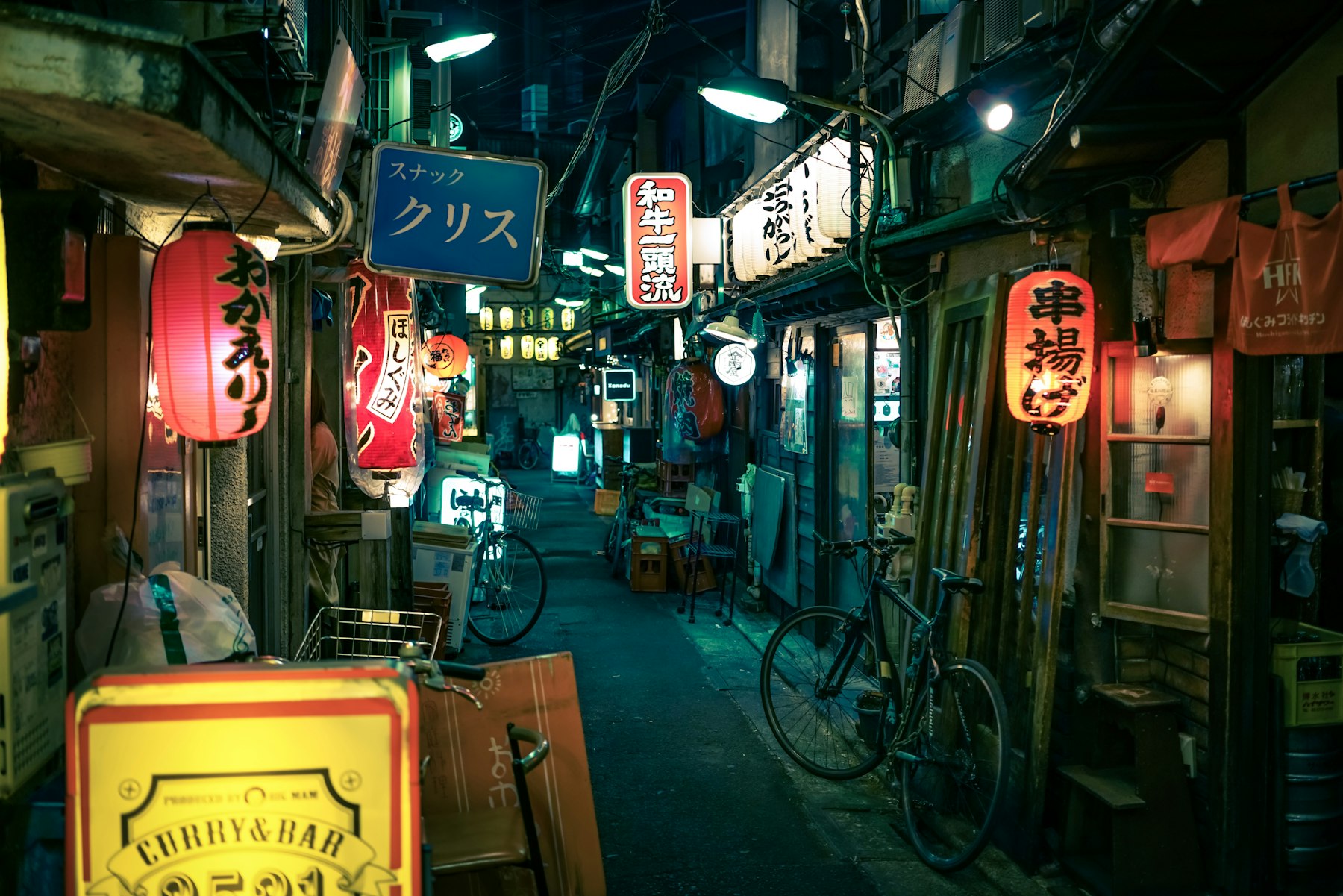
There is a counter in Osaka that seats seven, opens at five, and does not appear on any map we will ever publish. On day three of every Long Spring, I stand outside our hotel at 05:40 and see who shows up.
The invitation is always the same, delivered at dinner the night before with the gravity it deserves: tomorrow, before the city wakes up, there is ramen. Attendance is optional. Regret is not. Some groups send two people; one legendary October departure sent all twelve, and the counter's owner still asks after "the big família."
Why dawn
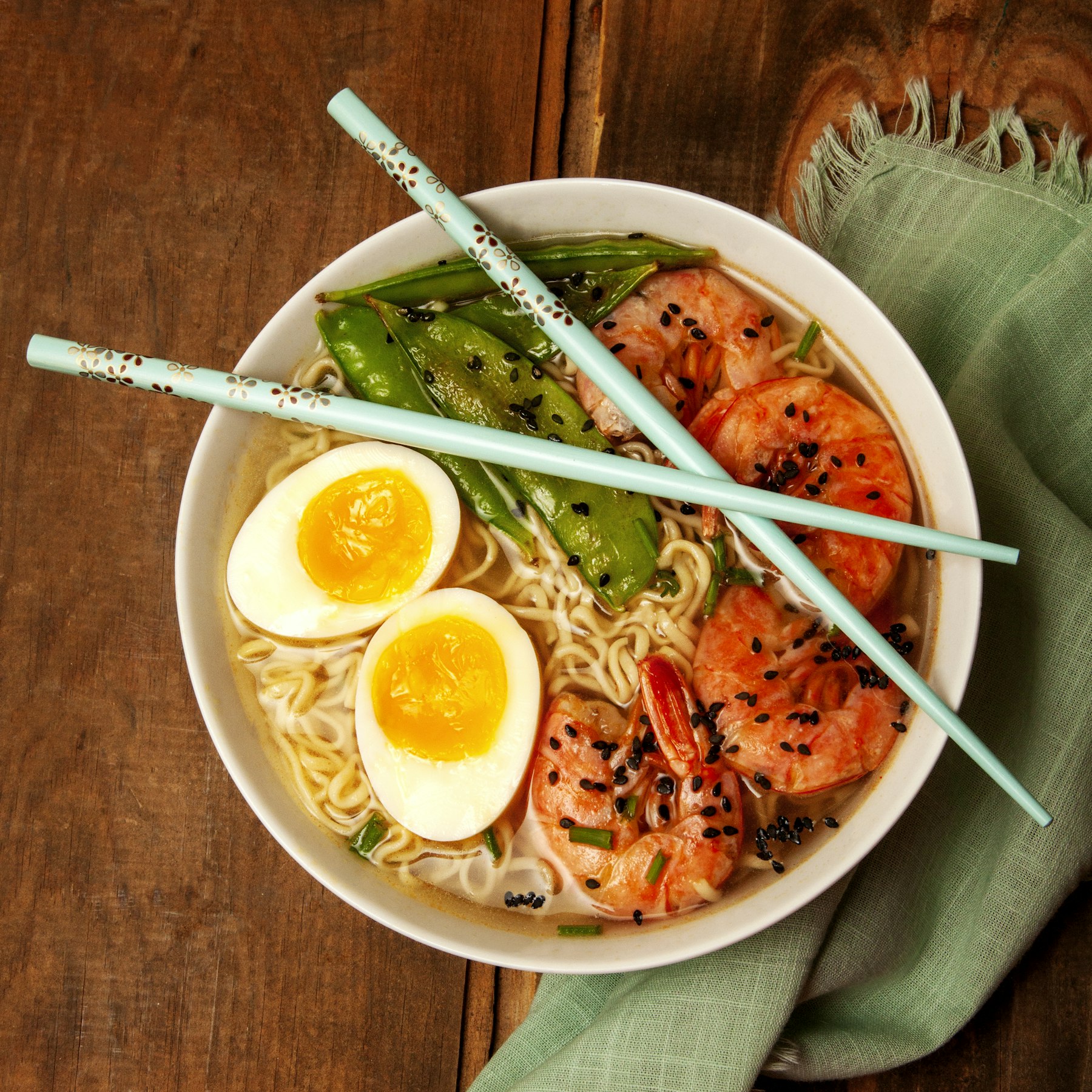
Morning ramen — asa-ra, if you want the word — exists because Osaka has always had night workers who needed dinner at sunrise: market porters, taxi drivers, printers coming off shift. The broth has been going since midnight. The noodles are the first pull of the day. You are not eating breakfast; you are eating someone else's perfect dinner, and the timezone difference is entirely in your favour.
You are not eating breakfast; you are eating someone else's perfect dinner.
There is also the light. At six, Osaka's arcades are empty steel and soft pink, the vending machines hum like monks, and the steam off a bowl behaves theatrically because the air is still cool. Photographers in the group tend to lose their minds quietly. I did, in 2014, and essentially never recovered.
The etiquette, briefly
Sit where you're pointed. Order by pointing at what the person beside you has, which will be correct. Slurp — it cools the noodles and compliments the cook, a rare economy of manners. Pay in coins if you can. And when the owner says something to you on the way out that you don't understand, know that it was almost certainly about the weather, and that you have been, in a small way, accepted.
We walk back along the river as the city changes shift, and the group is different afterwards — looser, sworn to secrecy, mildly smug at breakfast among those who slept. Every journey needs one conspiracy. Ours costs nine hundred yen and comes with a soft egg.