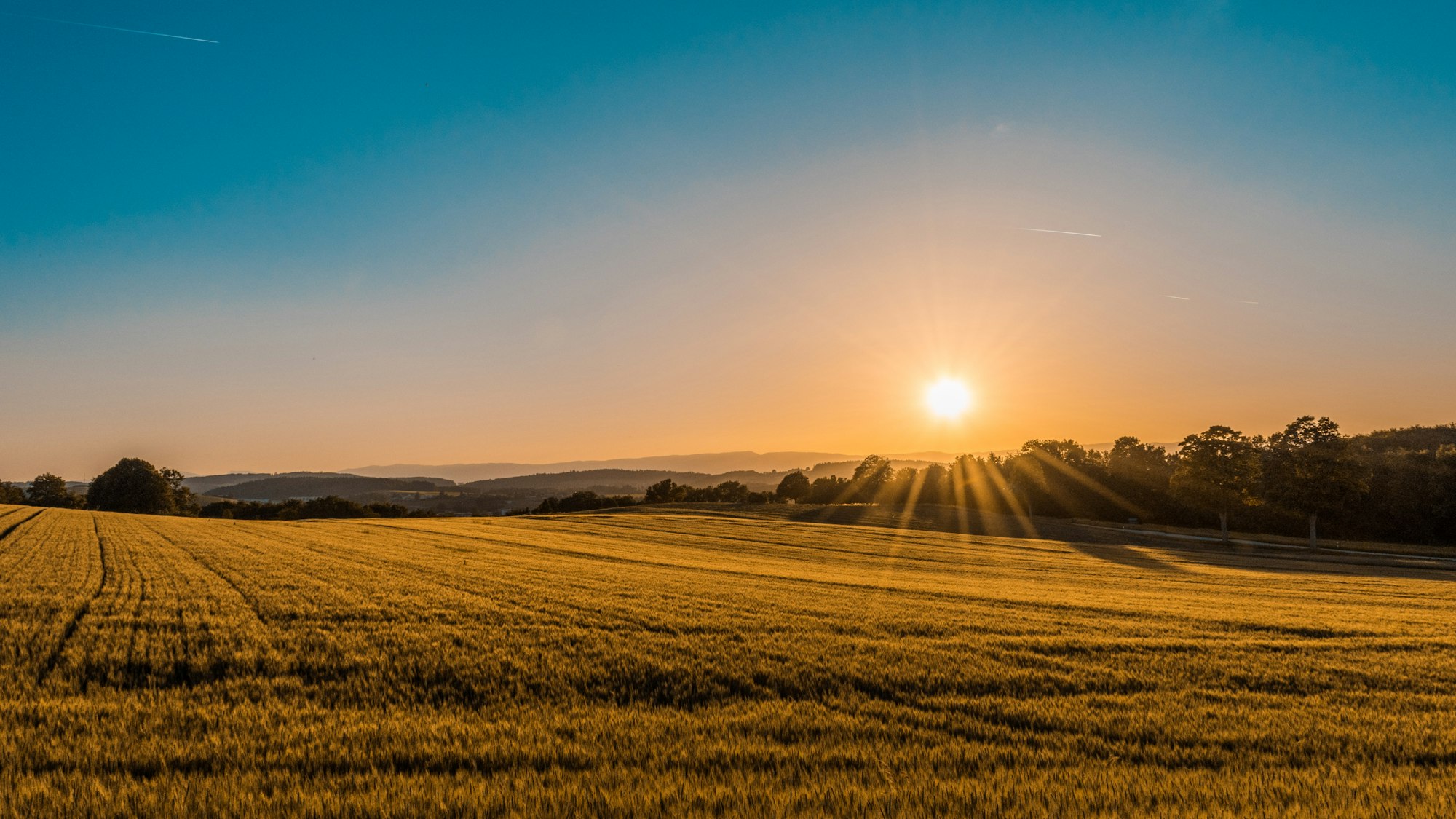
The east meadow is eleven hectares of the best flat ground on the estate, and for as long as anyone could remember it was mown three times a year, baled, and admired. It looked, my uncle liked to say, like a billiard table with a view. In the spring of 2023 we stopped. Not a phased withdrawal, not a pilot strip along the fence line — we simply did not send the tractor out, and then kept not sending it.
The reaction was immediate and came in two waves. The first was from the neighbours, who assumed the mower had died and offered us theirs. The second, once word got out that it was deliberate, was quieter and more serious — the particular Alentejan silence that means we are watching this experiment with interest and no confidence whatsoever.
The first summer: embarrassment
Honesty requires reporting that year one looked terrible. Not romantic-wild, not Instagram-wild — just unkempt, like a good suit slept in. The grasses went to seed unevenly. Thistle arrived with the enthusiasm of a guest who has heard there is an open bar. Guests asked, politely, whether we knew.
We had prepared for the ecology of rewilding. Nobody had warned us about the embarrassment.
What kept us honest was the counsel of a botanist from Évora who walked the meadow that August and found, in the mess, forty-one species where the mown sward had held nine. “It looks bad,” she said, “because you are still looking at it like a lawn. Lawns are legible. Meadows are literature.” We had her sentence printed and pinned in the estate office, where it still corrects us.
The second summer: orchids
The bee orchids came up in April of year two, in a loose constellation across the southern slope — small, absurd, wearing the face of an insect as a costume. Alice found them before breakfast and rang the house bell, which is reserved by long custom for fire and for wonder.
After the orchids, the sequence ran the way the books promise but you never quite believe: harvest mice in the tussocks by June, kestrels working the margins by July, and in September, hunting the kestrels’ leavings, a pair of barn owls who moved into the old granary gable as if they had been holding the listing for years.
The ledger
Because this is a working estate and not a poem, we kept accounts. The meadow used to earn its keep in hay — roughly four thousand euros in a good year, less the diesel, the baling twine, and the two weeks of tractor hours that always seemed to land exactly when the kitchen garden needed the same hands.
The unmown meadow earns differently. The apiary at its edge doubled its honey yield, and the honey now carries the meadow’s name and a price that reflects its biography. The Saturday walks detour through it and take twice as long, which the guests appear to regard as a feature. And the owls — it is hard to put owls on a balance sheet, but our booking enquiries mention them by name, which is more than the hay ever managed.
My uncle inspected the meadow again this May, on the pretext of borrowing a ladder. He stood at the gate a long while, watching the wind move through the seed heads in long silver waves, and delivered his revised verdict as he left: “It still needs mowing. But I see why you won’t.”
We consider the matter settled.