SYS.01 · Aerial unit
A-7 — the tower reader.
The aircraft that made rope teams optional: autonomous blade and tower surveys at millimetre resolution, in wind that grounds lesser airframes.
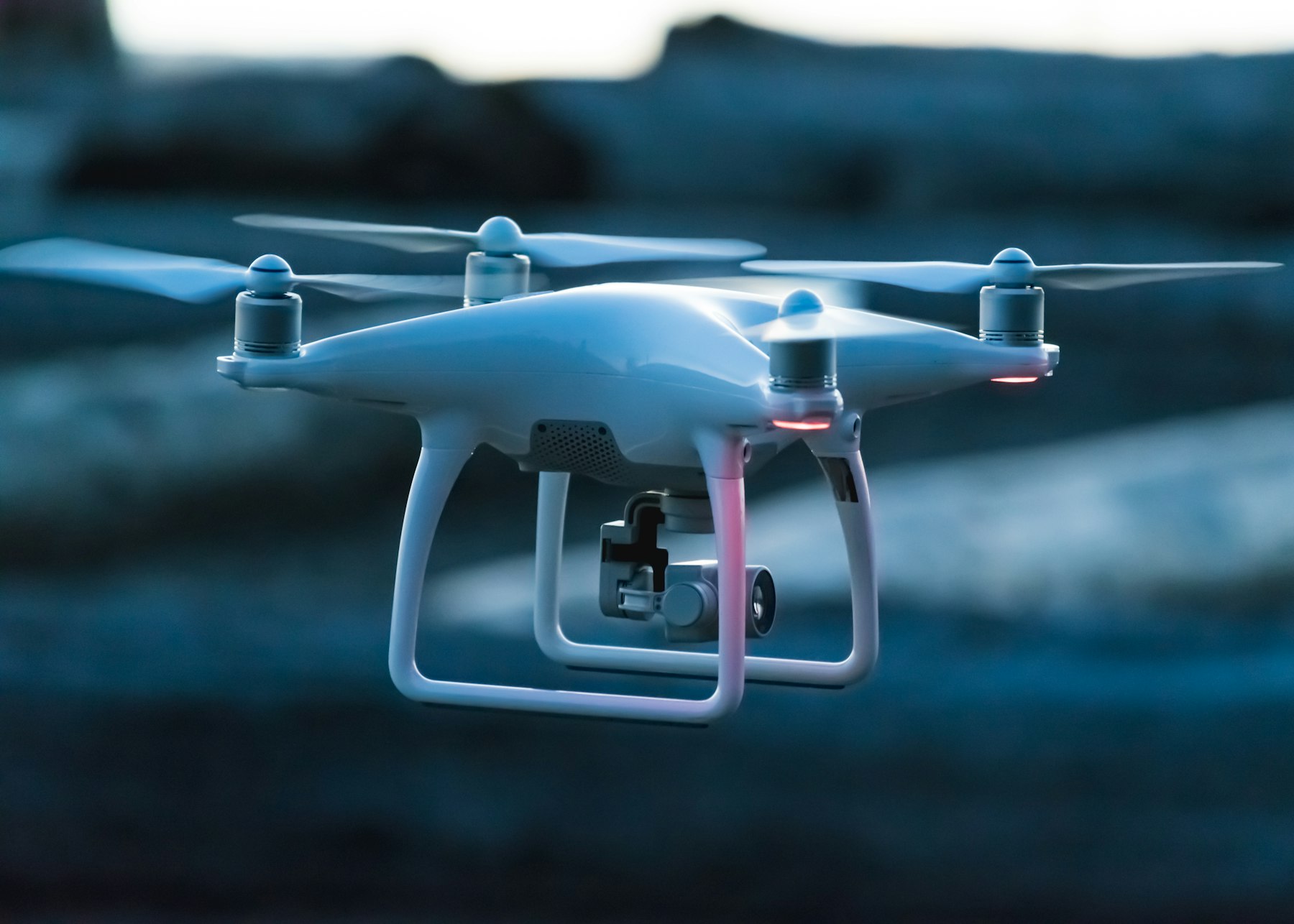 A-7 MK.IV · HOVER · GPS + RTK LOCK
Specification sheet
MK.IV — CURRENT PRODUCTION
The numbers that matter.
▸ AIRFRAME
- Endurance
- 52 min per swap
- Battery swap
- 90 s, tool-free
- Wind limit
- 18 m/s sustained
- Rain rating
- IP55 — light precipitation
- Mass
- 6.8 kg MTOW
- Positioning
- RTK GNSS ±2 cm
- Deploy time
- Case to airborne, 7 min
▸ PAYLOAD & AUTONOMY
- RGB
- 61 MP · 0.8 mm GSD @ 10 m
- Thermal
- 640 × 512 radiometric
- LiDAR
- ±5 mm structure capture
- Flight plans
- Generated from asset model
- Obstacle margin
- 1.5 m self-enforced
- Link loss
- Autonomous complete-and-return
- Data offload
- Encrypted, in-field to OS
Mission profiles
THREE STANDARD SORTIES
PROFILE.A — BLADE SWEEP
Wind turbine, stopped rotor
Four faces per blade, root to tip, 28 minutes per turbine including repositioning. Thermal pass at dawn catches subsurface delamination while the temperature gradient is honest.
PROFILE.B — LINEAR CORRIDOR
Pipeline & grid, BVLOS
Beyond-visual-line-of-sight corridor flight under SORA authorisation. Forty kilometres per sortie with automated tower-by-tower framing and change detection against the previous run.
PROFILE.C — VERTICAL STRUCTURE
Facades, stacks & bridges
Spiral or facade-grid capture with 70 % overlap for photogrammetry. Outputs a measurable twin your structural engineers can section the same afternoon.
▸ TRANSMISSION — CHIEF PILOT, KVANT OPS
R. OKONKWO — CHIEF PILOT · 4,100 SORTIES
“The A-7’s job is to be boring. Every exciting moment in aerial inspection is a failure of planning — so we planned them all out of the aircraft.”